
What to Wear for Pilates: Comfort That Performs

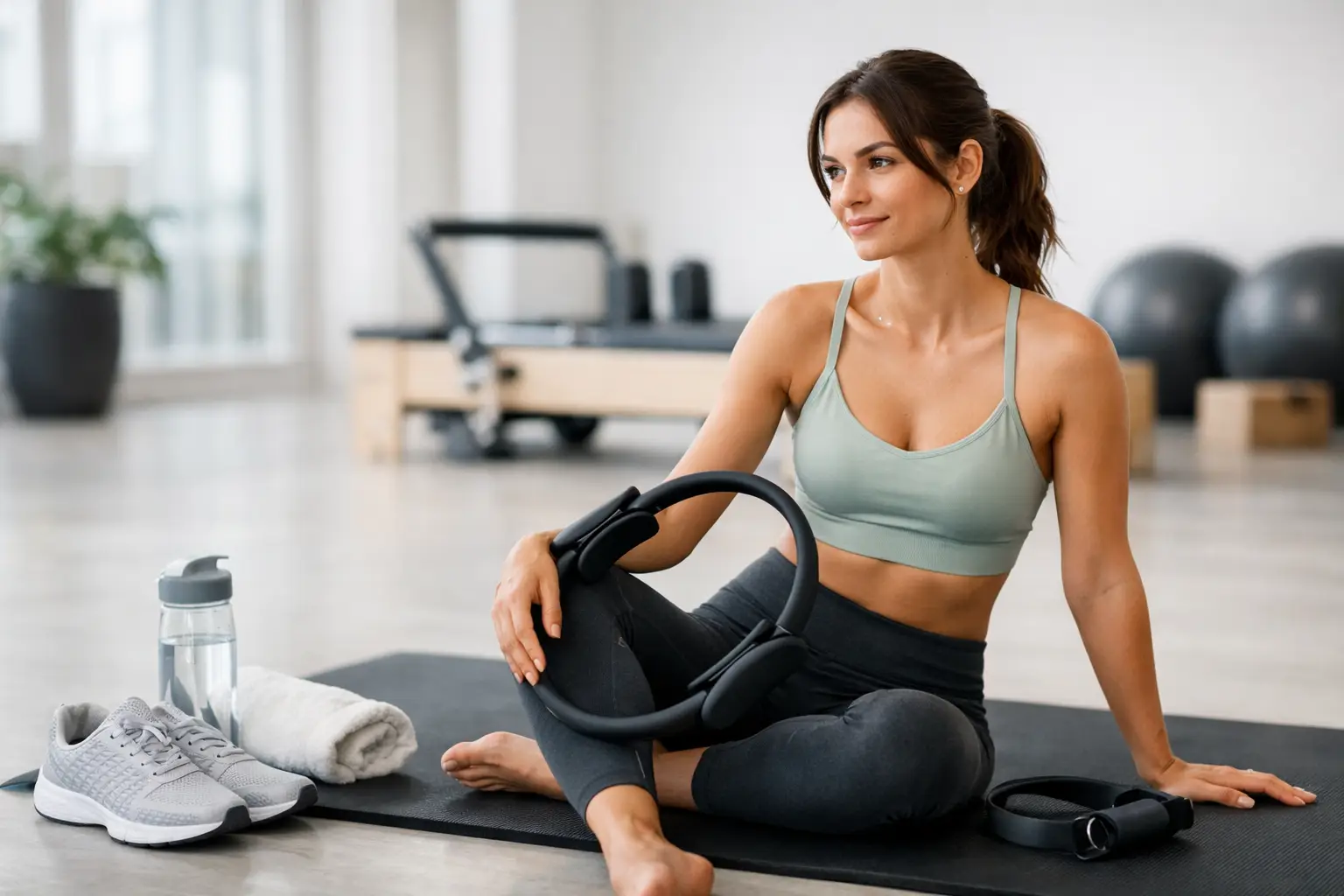
The best Pilates outfit is the one you stop thinking about after the warm-up. When you are holding a slow teaser, moving through footwork on the reformer, or finding control in a side plank, pinching waistbands and sliding straps are more than annoying – they pull focus from your form. If you are deciding what to wear for pilates, prioritize fitted comfort, reliable support, and fabrics that move with your body without becoming see-through or restrictive.
Pilates is often described as low impact, but it demands a surprising amount of core engagement, mobility, balance, and precision. Your clothing should support that experience. It does not need to be complicated or overly technical, but it should feel secure enough to let you stretch, bend, twist, and lie down with complete confidence.
What to Wear for Pilates Class
For most mat and reformer classes, a fitted tank or workout top, supportive sports bra, high-rise leggings, and grip socks are a smart starting point. This combination works because it keeps fabric close to the body, allowing your instructor to see your alignment while helping you avoid loose material catching on springs, straps, or equipment.
The goal is not to squeeze yourself into the tightest set in your workout drawer. A good Pilates outfit should give you a light, held-in feeling while still allowing you to take a deep breath and move through your full range of motion. Think of it as clothing that helps you feel polished, capable, and ready to focus.
Start with a supportive sports bra
Your ideal sports bra depends on your body and class style. Pilates generally calls for low- to medium-impact support, but that does not mean every woman will be comfortable in a light-support bra. If you have a fuller bust, prefer more coverage, or simply do not want to adjust your straps during class, a medium-support bra with a wide underband and adjustable straps can make all the difference.
Look for smooth seams and soft, breathable fabric. Bras with bulky clasps, thick hardware, or highly textured details may feel uncomfortable during exercises where you spend time lying on your back, stomach, or side. A longline sports bra can be a great option if you want a little more coverage and want to skip an additional top.
Choose tops that stay in place
A fitted tank, cropped workout top, or close-fitting short-sleeve tee is usually a better choice than an oversized shirt. Loose tops can ride up when you are inverted, working on the reformer, or doing abdominal exercises on your back. They can also make it harder for an instructor to offer useful form cues.
That said, fitted does not have to mean skin-tight. If you prefer a less revealing silhouette, choose a longer tank with a gentle body-skimming fit. A lightweight layer can also be useful for the first few minutes of class or for the trip home, especially if your studio runs cool. Save roomy sweatshirts for before and after class rather than wearing them through your full session.
Pick leggings or shorts with a smooth, high-rise fit
High-waisted leggings are a Pilates favorite for a reason. They tend to stay put through roll-ups, leg circles, bridges, and deep stretches, giving you coverage without constant pulling or readjusting. A wide waistband is often more comfortable than a narrow elastic band, particularly if you are sensitive to pressure around your midsection.
Choose opaque, squat-proof fabric with four-way stretch. You do not need heavy compression for Pilates, and some women find very firm compression limits natural movement through the hips and ribs. Medium compression is often the sweet spot: supportive enough to feel secure, flexible enough for controlled mobility work.
Bike shorts can work well in warm studios or for hot summer classes. Look for a longer inseam and a waistband that does not roll. Very short shorts can shift during floor work, while drawstrings, zippers, and thick pockets can be uncomfortable against the mat or reformer carriage.
Do You Need Grip Socks for Pilates?
In many reformer studios, grip socks are required, and for good reason. The rubber grips on the sole create more traction when your feet press into the footbar, carriage, or mat. They can also help you feel steadier during standing balance work and keep your feet from slipping when the studio floor is smooth.
Regular athletic socks are not a substitute. Without grips, they can be more slippery than bare feet. If you are buying your first pair, choose a snug fit that does not bunch at the heel or toes. Low-cut grip socks are popular for a clean, minimal feel, while ankle or crew styles offer a bit more warmth and coverage.
Bare feet may be welcome in a mat class, depending on the studio, but grip socks remain a useful option if you prefer a little more hygiene or traction. Check your studio policy before your first class so you arrive ready rather than having to make a last-minute purchase at the front desk.
What Not to Wear to Pilates
A few outfit choices can make a good class feel unnecessarily frustrating. Avoid clothing with loose drawstrings, oversized sleeves, stiff fabrics, or prominent zippers. They can get in the way of movement or feel uncomfortable when your back is against the mat.
Very baggy pants are also less practical than they seem. They may drag on the floor, shift around the knees, and make it harder to see your leg position. On the other hand, leggings that are too tight can dig in at the waist or restrict your ability to bend and rotate comfortably.
Be cautious with heavily scented body lotions or oils, especially for reformer Pilates. Products can make equipment slippery and may be distracting in a close studio environment. A breathable deodorant, a hair tie, and a water bottle are usually all you need to feel fresh and prepared.
Dress for the Pilates You Actually Do
Your best outfit can change based on the class format. For a beginner mat session, comfort and modest coverage may matter most while you learn new movements. For reformer Pilates, close-fitting pieces and grip socks become more valuable because of the moving equipment. For a faster Pilates sculpt class that incorporates weights or cardio intervals, you may want a sweat-wicking top and a slightly more supportive sports bra.
If you attend class before work or fit it between errands, a coordinated activewear set can help the transition feel easier. A flattering color, a supportive silhouette, and a layer you can throw on afterward can turn your Pilates clothes into part of a routine you look forward to keeping. Feeling good in your outfit is not superficial. It can remove one more barrier between you and a consistent wellness habit.
A simple first-class formula
If you are new and do not want to overthink it, wear a medium-support sports bra, fitted tank, high-rise leggings, and grip socks. Bring a water bottle and a light zip-up for before and after class. This setup is practical for nearly every beginner-friendly Pilates environment and gives you room to learn what feels best on your body.
As your practice becomes more regular, build a small rotation around pieces that have earned your trust. You may prefer buttery-soft leggings for slow mat work, more compressive styles for reformer sessions, or longer tanks on days you want extra coverage. WomensWellLife makes it easier to think beyond a single workout outfit by bringing together activewear, recovery essentials, and wellness support for the routines that help you feel strong.
The right Pilates clothes will not do the movement for you, but they can make showing up feel easier. Choose pieces that let you breathe deeply, move freely, and stay focused on the strength you are building one controlled rep at a time.